
Water Damage Restoration in Newcastle
Enquire in Newcastle
Immediate Response & Lasting Results
Water damage can strike unexpectedly, leaving your property at risk of serious contamination and structural harm. At Dryology Carpet Cleaning, we excel in water damage remediation in Newcastle, responding swiftly to restore your space and eliminate potential health hazards.
From appliance leaks to flooding, each situation brings its own challenges including mould, pollutants and pathogens. Our team uses advanced techniques to minimise risks and get your property back to normal.
Call Dryology Carpet Cleaning on 1300 724 413 to safeguard your Newcastle property with professional water damage remediation.
Residential & Commercial Services
Over 55 Years’ Hands-On Experience
Accredited Cleaning Experts

Revitalise your Newcastle home or business with expert carpet and upholstery cleaning that restores freshness and comfort.

Our Newcastle mould remediation services eliminate harmful spores and visible mould, safeguarding your property and health.

Our fast and effective water damage remediation in Newcastle ensures your property is restored quickly and safely.

Lift grime and refresh your surfaces with tile and grout cleaning in Newcastle, bringing back their natural shine.

Quick & Reliable Water Eradication
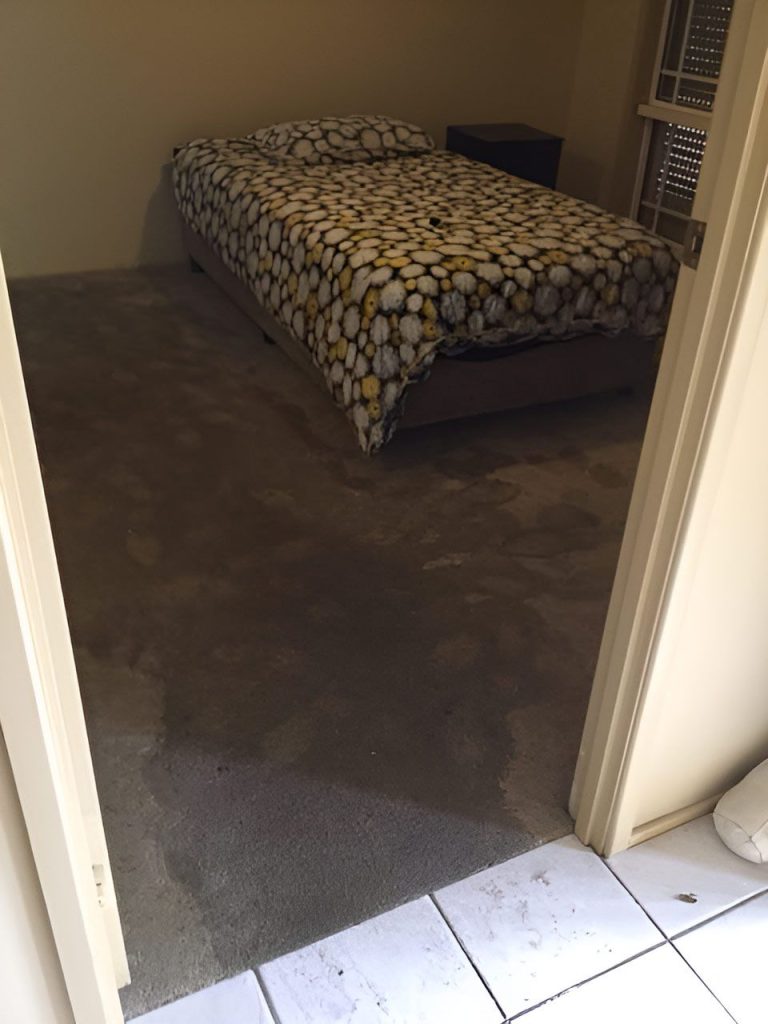
At Dryology Carpet Cleaning, we provide comprehensive water damage services tailored to Newcastle homes and businesses. Here’s what’s involved:
Enquire in Newcastle
Frequently Asked Questions
What locations do you service?
We service throughout the Newcastle region including Charlestown, Cardiff, Merewether, Hamilton, Belmont, Kotara, Mayfield, Swansea, Maitland, Thornton, Cessnock, Medowie, Nelson Bay, Port Stephens, Rutherford, Maitland, Lake Macquarie, Port Stephens, Cessnock and surrounding areas.
What is the first step after discovering water damage?
The first step is to stop the water source if possible, ensure safety and contact professionals for an assessment and remediation.
Can water damage cause mould?
Yes, mould can develop within 24–48 hours of water exposure if the affected area isn’t dried and treated properly.
